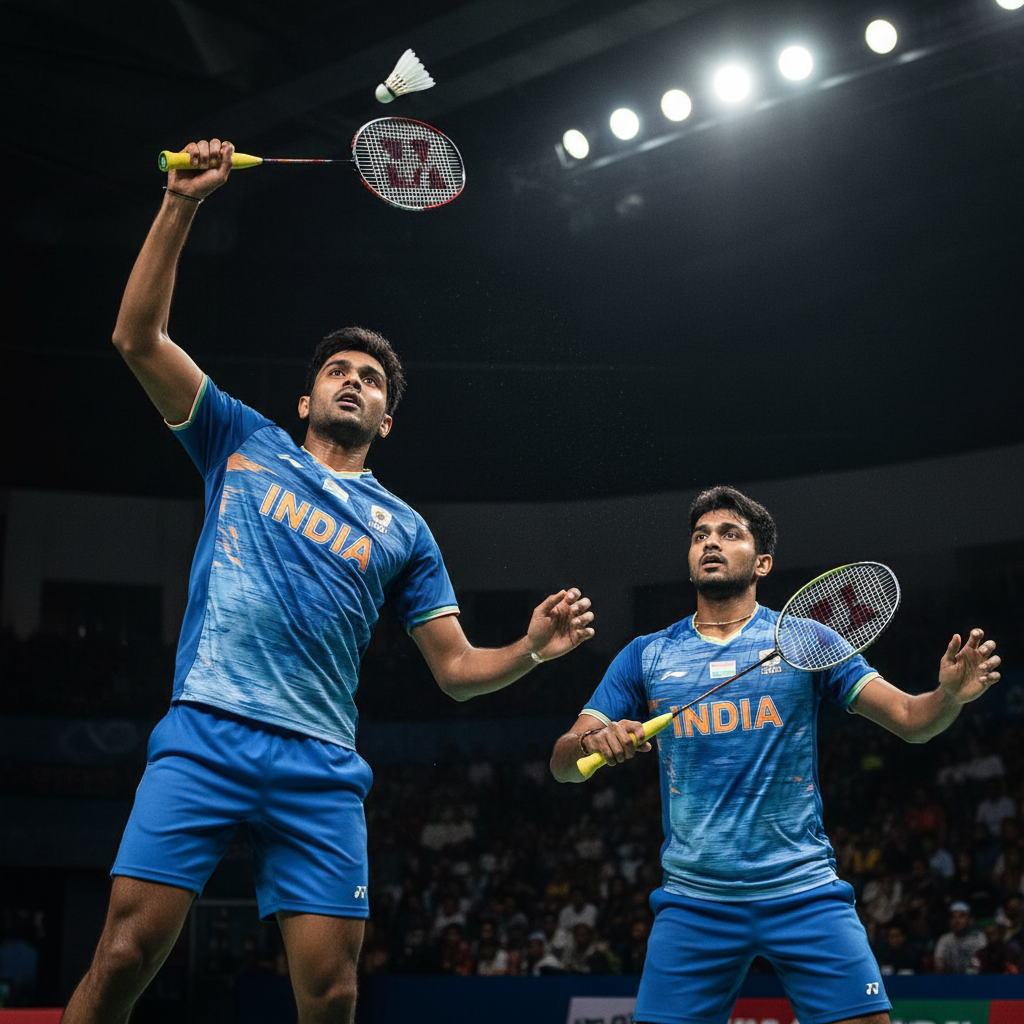
Satwik-Chirag’s Shocking Critique: ‘Wouldn’t Want My Kid To Play Badminton’ Despite Success
New Delhi, India — In a candid and surprisingly stark interview, India’s trailblazing badminton duo, Satwiksairaj Rankireddy and Chirag Shetty, have sent shockwaves through the nation’s sports fraternity. Despite their monumental achievements, including becoming the first Indian men’s doubles pair to win an Asian Games gold and reaching the pinnacle as world No. 1, the pair expressed profound disappointment with the state of Indian sports, going so far as to say, “I wouldn’t want my kid to play badminton.”
A Harsh Reality Amidst Golden Glory
Their comments, made to The Indian Express, highlight a stark contrast between their personal success and their perception of the broader sporting landscape in India. It’s a statement that cuts deep, especially coming from athletes who have defied odds and brought immense pride to the country. Their sentiment isn’t born of bitterness but a deep-seated concern for the future generations and the structural deficiencies they believe plague Indian sports.
The Pains of Parental Pressure and Lack of Infrastructure
Satwik, one half of the formidable pair, articulated the immense pressure Indian parents place on their children, often without understanding the long-term implications for a sporting career. “Parents need to understand that sports is not all about money,” he remarked, emphasizing that early specialization and unrealistic expectations can burn out young athletes before they even begin. This parental dynamic, he suggests, is a significant hurdle that contributes to the high attrition rate in Indian sports.
Chirag echoed this sentiment, highlighting the severe lack of adequate infrastructure and qualified coaching outside of a few select academies. “The facilities are not there. The coaching is not there. And the support for athletes once they reach a certain level is often non-existent or insufficient,” he stated, painting a grim picture of the journey aspiring athletes face. While elite athletes might eventually find corporate or government support, the grassroots level remains largely underdeveloped and underfunded.
“India Is Not a Sporting Nation Yet” – A Blunt Assessment
Perhaps the most poignant and controversial aspect of their interview was the unequivocal declaration: “India is not a sporting nation yet.” This statement, coming from athletes at the peak of their careers, challenges the widespread narrative of India’s growing prominence in global sports. They argue that while individual brilliance shines through, a systemic, widespread sporting culture and support system are still largely absent. This isn’t just about winning medals; it’s about nurturing a populace that embraces sports for its intrinsic value, health benefits, and character-building potential.
A Call for Systemic Change and Long-Term Vision
The duo’s critique isn’t without constructive intent. They emphasized the need for a paradigm shift, urging for greater investment in sports sciences, better grassroots programs, and a cultural change that values sports as a viable and respected career path, not just an extracurricular activity. They advocate for a long-term vision that focuses on sustainable development rather than just chasing immediate medal counts.
“We need more experienced coaches, better facilities in tier-2 and tier-3 cities, and most importantly, a change in mindset from parents and society that sports can offer a fulfilling life,” Satwik stressed. They believe that only when these foundational elements are in place can India truly transform into a sporting nation that consistently produces world-class talent across various disciplines.
Lessons from Their Own Journey
Their own journey is a testament to resilience, sacrifice, and the sheer talent that exists in India despite the challenges. They’ve overcome numerous obstacles, from financial constraints to limited exposure, to reach the top. However, their personal triumphs only underscore the broader point: how many more potential champions are lost due to a system that struggles to support and nurture them?
The candidness of Satwik-Chirag’s remarks serves as a critical mirror for Indian sports. It’s a powerful wake-up call, challenging stakeholders to look beyond individual achievements and address the fundamental issues that prevent India from truly embracing its sporting potential and becoming a nation where every child can dream of playing, and excelling, in the sport they love.